Peanuts, Cane Syrup, and Sweet Potatoes: How Southern Brewers Are Turning the Pantry Into the Brewhouse
There's a word that gets thrown around in brewing circles with a kind of suspicious energy — adjunct. In the old-school, European-purist sense of the term, it practically carries a warning label. Add anything beyond water, malt, hops, and yeast, and you're wandering off the reservation, cutting corners, dumbing down the craft.
Southern brewers heard that and kept stirring the kettle anyway.
Because here's the thing: the South has never needed permission to cook the way it cooks. And increasingly, it doesn't need permission to brew the way it brews, either. What's happening in brewhouses from Appalachia down to the Gulf Coast right now is less a rebellion against tradition and more a natural extension of one — a culinary tradition so deep and particular that ignoring it in the beer would almost feel like a lie.
What Even Is an Adjunct, and Why Does It Matter?
In brewing terms, an adjunct is any fermentable or flavor-contributing ingredient that isn't traditional malted barley. That's a wide net. Corn, rice, oats — these have been in commercial beer for over a century. But the adjuncts Southern craft brewers are reaching for go a lot further than a scoop of flaked maize.
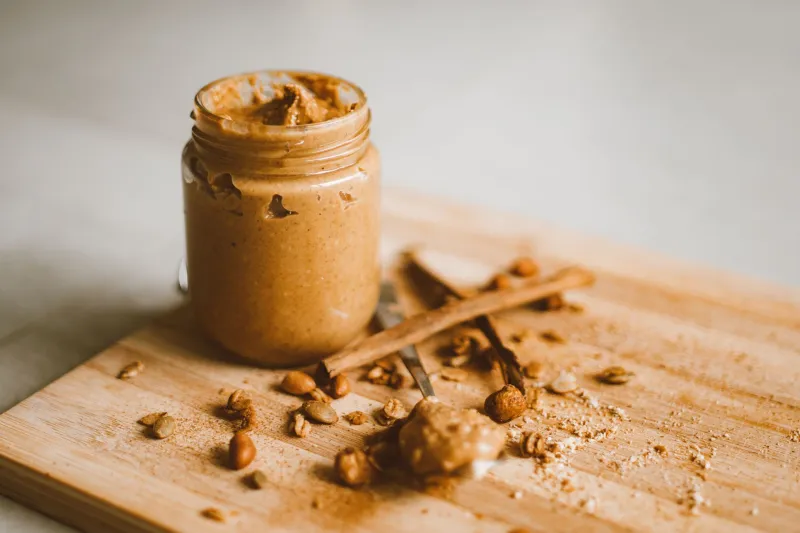
We're talking about sorghum — a grain that's been grown across the South for generations and brings a dry, slightly tannic quality that plays beautifully with roasted malts. Sweet potatoes, which contribute a subtle earthiness and a natural sweetness that doesn't cloy the way refined sugar can. Cane syrup, the thick, molasses-adjacent stuff your grandmother probably kept in a jar by the stove, which adds body and a dark, almost caramel-like depth without the harsh bitterness of straight molasses. And yes, peanuts — whole, roasted, or in butter form — finding their way into stouts and porters and creating something that tastes, somehow, exactly like it should.
None of these are shortcuts. If anything, brewing with unconventional adjuncts is harder than sticking to the script. Starches behave differently. Oils from nuts can kill head retention if you're not careful. Natural sugars from root vegetables ferment unpredictably. You have to actually know what you're doing — and you have to care enough about the result to figure it out.
The Pantry Didn't Come From Nowhere
Southern food culture is, at its core, a cuisine of ingenuity and place. It grew out of what was available — what the land produced, what could be preserved through a long summer, what stretched a meal when times were lean and elevated it when they weren't. Sorghum was a sweetener before cane sugar was accessible. Sweet potatoes stored through winter when other crops couldn't. Peanuts were protein, fat, and flavor all in one shell.
When a brewer in Georgia decides to throw locally grown sweet potatoes into a farmhouse ale, they're not being quirky. They're being Southern. They're pulling from the same instinct that turned scraps into cracklins, yesterday's cornbread into today's dressing, and a pot of field peas into something that could anchor a whole table.
That's the thing about adjuncts in Southern brewing — they carry cultural memory. They taste like something. They taste like here.
Breaking Rules That Were Never Really Ours
The Reinheitsgebot, Germany's famous beer purity law dating back to 1516, is often held up as the gold standard of brewing integrity. And look, we respect the history. But that law came out of a specific place, a specific agricultural context, a specific set of concerns about grain scarcity and adulteration that had nothing to do with what was growing in the Carolina lowlands or along the Mississippi Delta.
Applying it as some kind of universal moral framework for what beer is allowed to be? That's where it gets a little shaky.
Southern brewers aren't breaking rules so much as acknowledging that some rules were written for someone else. The most authentic thing a brewer in Louisiana can do is make beer that reflects Louisiana — not Bavaria, not Portland, not some idealized notion of what craft beer is supposed to look like from the outside.
And when you taste a cane syrup amber ale that hits like a sip of something your grandfather would've understood, or a sorghum saison that's dry and funky and completely unlike anything you'd find in a Belgian farmhouse — you get it. The rule-breaking is the authenticity.
The Science Behind Making It Work
None of this is just philosophy. There's real craft involved in getting adjunct-forward beers to perform the way a brewer wants them to.
Sweet potatoes, for instance, need to be cooked before they go into the mash — usually roasted to caramelize their sugars and drive off excess moisture. The starches have to convert properly, which means dialing in mash temperature with more precision than usual. Too high and you get a thick, underfermented mess. Too low and you lose the body you were after in the first place.
Peanuts present their own challenge: the fat content. Fat is the enemy of foam, and a pint without a proper head is a sad thing. Brewers working with peanut-forward recipes often use defatted peanut flour, or they roast whole peanuts and add them late in the boil to get flavor without overwhelming the oil content. It's a balancing act, and getting it right takes real trial and error.
Cane syrup, on the other hand, is relatively forgiving — it's mostly fermentable, so it thins the body somewhat while adding flavor. Brewers who want to keep a fuller mouthfeel often compensate by bumping up the base malt or adding a touch of flaked oats.
Sorghum is probably the most technically demanding of the bunch. It lacks the enzymes needed to convert its own starches, so it has to be mashed alongside standard malted barley. Get the ratio wrong and you're either leaving sugar on the table or overwhelming the beer with an astringency that's hard to love.
The brewers who are doing this well aren't winging it. They're nerding out on the science just as hard as any hop-forward IPA brewer obsessing over dry-hop timing.
What It Tastes Like to Drink Something That Knows Where It Comes From
There's a version of craft beer that tastes like it could've been made anywhere — technically proficient, stylistically correct, completely without a sense of place. Nothing wrong with that, exactly. But it's not what excites us.
What excites us is cracking open something that tastes like the specific soil it came from. A sweet potato saison that's got a little red clay in its soul. A sorghum stout that's dry and slightly wild and doesn't apologize for it. A boiled peanut porter that makes you feel like you're at a roadside stand in August, in the best possible way.
That's what Southern brewers are chasing when they reach past the standard grain bill and into the pantry. Not novelty. Not Instagram content. A beer that knows where it lives.
And honestly? That's about as pure as brewing gets.