Dark Beer Deserves Better — Especially Down Here
Let's just say it plainly: dark beer gets disrespected in the South, and it's been going on long enough that we're done staying quiet about it.
Walk into almost any bar between Richmond and Corpus Christi and order a stout, and you'll get one of two reactions. Either the bartender gives you a look that says you sure about that? or the person next to you at the bar volunteers, unprompted, that they tried a Guinness once and didn't like it. As if that settles the matter. As if the entire universe of dark beer begins and ends with a single Irish dry stout on a Tuesday night.
The stigma is real. But so is the misunderstanding behind it — and as craft brewers who've spent real time thinking about what makes a great dark beer, we feel like it's past time to push back.
Where the Reputation Came From
Fair is fair: the dark beer skepticism in the South didn't come from nowhere. For a long time, the only dark beers most people encountered were either mass-market stouts that leaned heavy and roasty without much nuance, or imported options that were served too cold in ways that muted whatever complexity they had. Neither experience exactly made converts.
Combine that with the climate — the South is hot, and the idea of drinking something that looks like motor oil when it's 95 degrees in August takes some psychological rewiring — and you've got a pretty understandable bias. Heat makes people reach for light, bright, and crisp. That's not a character flaw. That's just human nature.
But here's where the logic breaks down: the assumption that dark color equals heavy body is just plain wrong, and it's the central myth that keeps a lot of Southern drinkers from beers they'd genuinely enjoy.
Color Is Not Calories, and Roast Is Not Weight
This is the brewing science part, and it matters. The darkness of a beer comes from the malts used in the brewing process — specifically, how long those malts have been roasted. A highly roasted malt will give a beer a deep brown or near-black color and contribute flavors like chocolate, coffee, and sometimes a pleasant smokiness. But roast level doesn't automatically translate to high alcohol content or a thick, syrupy mouthfeel.
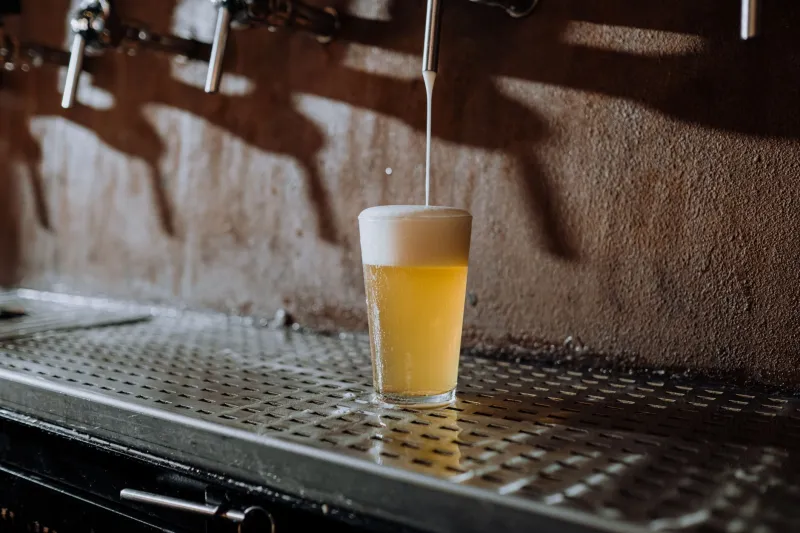
A dry Irish stout, for example, is often lower in alcohol than a hazy IPA and lighter in body than a lot of wheat beers. A well-brewed dark mild — a style that's criminally underrepresented in American taprooms — can clock in around 3.5% ABV and drink like the most refreshing thing you've had all summer. A roasty porter with a dry finish can pair with grilled food in ways that a pale lager simply can't touch.
The calories-and-color myth is one of the most persistent pieces of beer misinformation out there, and it's doing real damage to people's willingness to explore.
What Southern Craft Brewers Are Actually Making
Here's what's exciting: brewers across the South have figured out that the key to bringing dark beer to Southern drinkers isn't to water it down or apologize for it. It's to make dark beers that are genuinely built for the Southern palate and the Southern climate.
That means leaning into dryness over sweetness. A beer with a dry, roasty finish feels refreshing in a way that a thick, sweet stout does not. It means keeping alcohol moderate — sessionable dark beers that you can drink on a back porch without being done for the evening. It means using regional ingredients — cane sugar, chicory, pecans, local honey — to create flavor profiles that feel familiar even when the beer style itself is new territory.
It also means thinking carefully about serving temperature. Dark beers served too cold lose most of what makes them interesting. A few degrees warmer and suddenly the chocolate note opens up, the coffee aroma blooms, and the finish reveals something you didn't expect. This is something taprooms with knowledgeable staff can communicate directly to drinkers, and it makes a measurable difference in how the beer lands.
Tips for the Dark Beer Skeptic
If you've written off dark beer and you're even a little bit willing to be wrong about it, here's how to ease in:
Start with a dark mild or a session porter. These styles are lower in alcohol, lighter in body, and designed to be approachable. If you like coffee or dark chocolate even a little, you'll find something to hold onto.
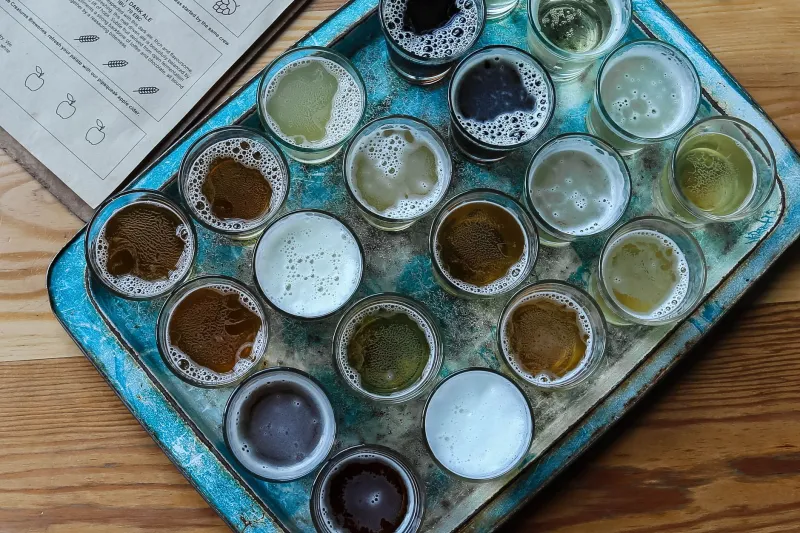
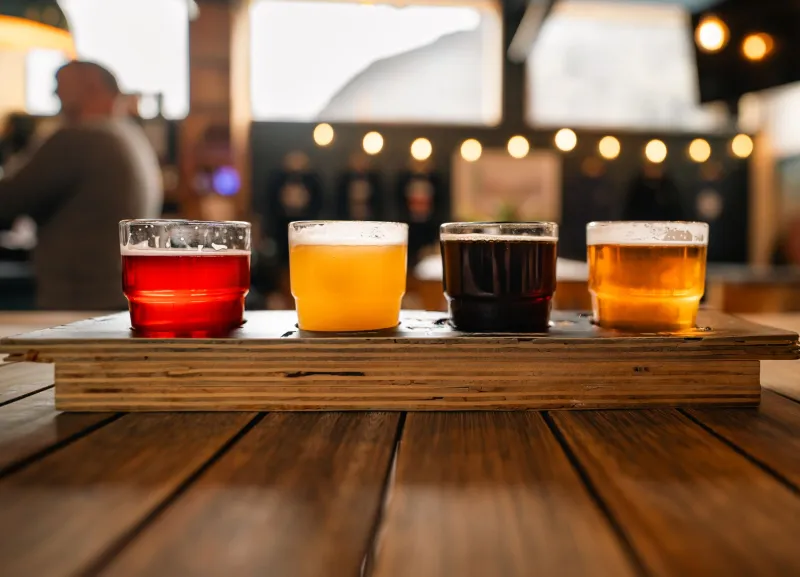
Ask for a taste first. Any taproom worth its salt will pour you a small sample before you commit to a full pint. Use that. Compare it side by side with something you already like.
Pay attention to the finish. The bitterness people associate with dark beer often comes from roasted malt, not hops, and it's a different kind of bitterness — drier, more like espresso than grapefruit. Once you identify what you're tasting, it stops being alarming.
Pair it with food. Dark beer with smoked brisket, with a pecan pie, with a bowl of chili — the combination changes both the beer and the food in ways that are genuinely surprising. Dark beer was made for the Southern table, even if nobody told the Southern table yet.
The Bigger Picture
Craft brewing in the South has always been about challenging what people think they know — about this region, about who drinks what, about what belongs here. We've built a culture around ingredients and traditions that are distinctly ours, and dark beer is a natural part of that story.
The roast in a well-made Southern stout echoes the char on a pit-smoked rack of ribs. The chocolate notes in a dark porter sit alongside a slice of pecan pie like they were designed for each other. The dry, bittersweet finish of a session dark ale is exactly what you want after something rich and spicy.
Dark beer isn't too much for the South. If anything, it's been waiting for the South to catch up. We're working on it — one honest, well-poured pint at a time.