Small Numbers, Big Statement: How the South Is Falling Back in Love With the Session Beer
There's a certain kind of beer drinker who's spent years nodding along at the tap list while secretly wishing there was something they could actually drink three of without losing the back half of their evening. You know who you are. And if you've been paying attention to what's coming out of Southern craft breweries lately, you might have noticed that someone finally started listening.
The session beer — loosely defined as anything sitting under 5% ABV — has been unfairly dismissed for most of the craft beer boom. Too light. Too easy. Not enough going on. The culture leaned hard into imperial this and double-dry-hopped that, and somewhere along the way, the idea that a beer could be worth your respect without also being worth a designated driver got quietly buried.
That's changing. And down here in the South, it's changing in ways that feel genuinely exciting.
What We Got Wrong About "Simple"
Here's the thing about low-ABV beer that most people don't talk about: it's harder to make well. A lot harder.
When you're building a 10% barrel-aged stout, the alcohol itself does a significant amount of the heavy lifting. It rounds out roughness, preserves complexity, and gives the brewer a wide net to work within. Malt-forward, roasty, boozy — there's room to hide imperfection inside all that intensity.
Strip the alcohol down to 3.8 or 4.2%, and suddenly everything is exposed. Off-flavors have nowhere to hide. Thin body reads immediately. A miscalculated hop addition doesn't get softened by residual sweetness — it just sits there. The brewer has to be precise, intentional, and genuinely skilled to make something that tastes complete rather than just... absent.
That's not a knock on big beers. It's an argument for rethinking what "impressive" actually means in a glass.
The South Has Always Known How to Pace Itself
If there's any region in the country primed for a session beer renaissance, it's the South. Think about it — we invented the long afternoon. The porch. The slow-moving conversation that starts before dinner and doesn't really end until the fireflies are out. We cook low and slow. We take our time.
And yet, craft beer culture here followed the same national script: chase the double IPA, celebrate the wax-dipped bottle, treat ABV like a badge of seriousness. It was never a perfect fit. Drinking a 9% beer in August humidity in Georgia or Mississippi or the Carolinas isn't a vibe — it's a survival test.
Session beers were made for Southern life. Brewers down here are starting to own that truth, and they're pouring real craft intention into the format.
What Southern Session Brewing Actually Looks Like
The session beers coming out of Southern craft breweries right now aren't watered-down versions of something bigger. They're built from the ground up to be exactly what they are.
Session IPAs that lead with bright citrus and fresh grass, finishing clean and dry without the resin bomb of their bigger cousins. Kellerbier-style lagers that honor German tradition while leaning into local grain character. Light English-style milds with just enough roast to keep things interesting. Gose and Berliner Weisse styles that play perfectly against hot weather, tart and refreshing without demanding your full attention just to get through a pint.
The grain bill decisions alone in a good session beer deserve more conversation than they get. Brewers are working with pilsner malt, Vienna, Munich, sometimes a touch of wheat or oats for body — layering character without layering gravity. Water chemistry becomes critical. Yeast selection matters enormously when there's no alcohol warmth to blur the fermentation profile. Every variable is load-bearing.
That's craft. That's the whole point.
The Cultural Shift Underneath the Pour
What's interesting about this movement isn't just the beer — it's what it says about where craft culture is heading.
For a long time, the loudest voices in the room defined what a "real" craft beer drinker looked like. You had to know your haze levels and your IBUs and your barrel provenance. The beer had to be complex in ways that required explanation. Approachability was almost treated as a flaw.
That posture is exhausting. And increasingly, brewers and drinkers alike are rejecting it.
A well-made session beer is democratic in the best way. It invites people in rather than testing them. It works at the cookout, at the tailgate, at the end of a long workday when you just want something cold and honest. It doesn't demand anything from you except that you enjoy it.
There's genuine philosophy behind that. When a brewer puts serious skill into something that doesn't announce itself loudly, they're making a statement about what they believe craft actually means. It's not about impressing you. It's about serving you well.
Gravity, Restraint, and the Brewer's Real Flex
We talk a lot here about gravity — the original gravity reading that sets the sugar content of a wort before fermentation even begins. It's the number that determines where a beer can go. High gravity opens doors. Low gravity closes some of them.
But closing doors isn't the same as limiting creativity. It's focusing it.
A brewer who can take a wort with an original gravity of 1.040 and turn it into something with genuine depth, balance, and drinkability — something that earns a second pour and a third — that brewer knows exactly what they're doing. They're not hiding behind the number. They're working inside a constraint and making it look easy.
That's the flex. That's the thing worth celebrating.
What to Look for on the Tap List
If you're ready to give session beers the honest look they deserve, here's a simple guide to what signals quality in the format:
Body that doesn't disappear. A good session beer should feel present in your mouth, not watery. Oats, wheat, or a careful malt blend can give a low-ABV beer real substance.
Flavor that doesn't fade. The hop character should be expressive, not muted. The malt should have a point of view. Something should linger after the swallow.
A clean finish. This is where a lot of session beers fall apart. Off-flavors from underpitched yeast or rushed fermentation show up fast at low ABV. A clean finish signals a brewer who took the process seriously.
Confidence in the concept. The best session beers aren't apologizing for what they are. They're fully realized. When you drink one, you should feel like nothing is missing — not because the beer is hiding anything, but because nothing needs to be there that isn't.
Pour Something You Can Actually Finish
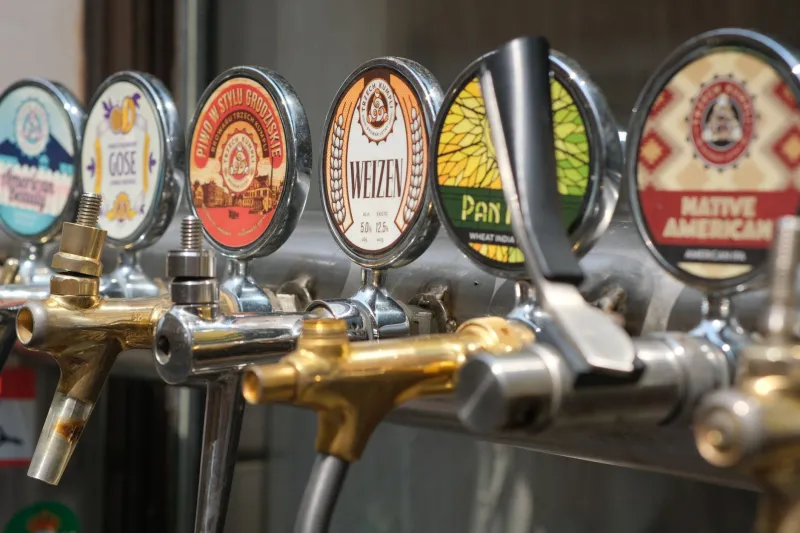
The next time you're at a Southern taproom and you see a 4.1% session pale on the board next to a 10% imperial quad, don't skip past it. Ask about it. Find out what the brewer was thinking when they built it.
Because the answer might surprise you. There's a good chance they worked harder on that session pale than anything else on the list. And there's an even better chance it's exactly what the afternoon is asking for.
Brewed deep. Poured proud. Sometimes the most confident thing in the room is the beer that doesn't need to raise its voice.