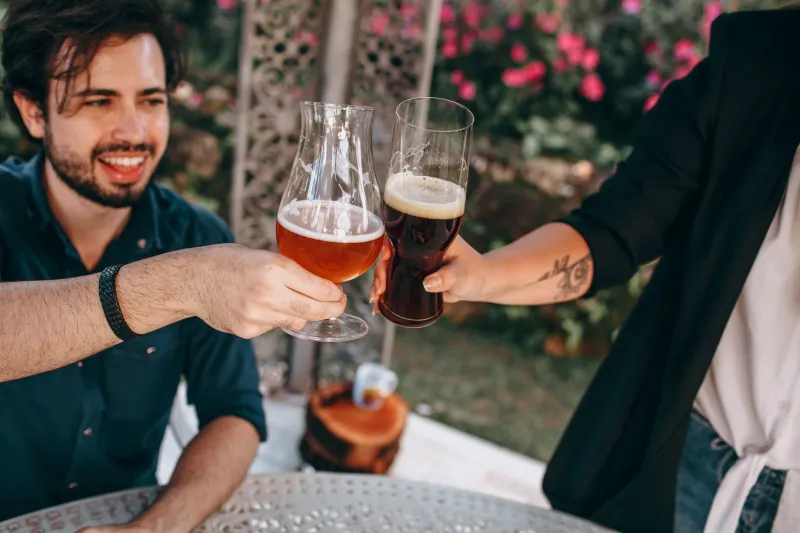
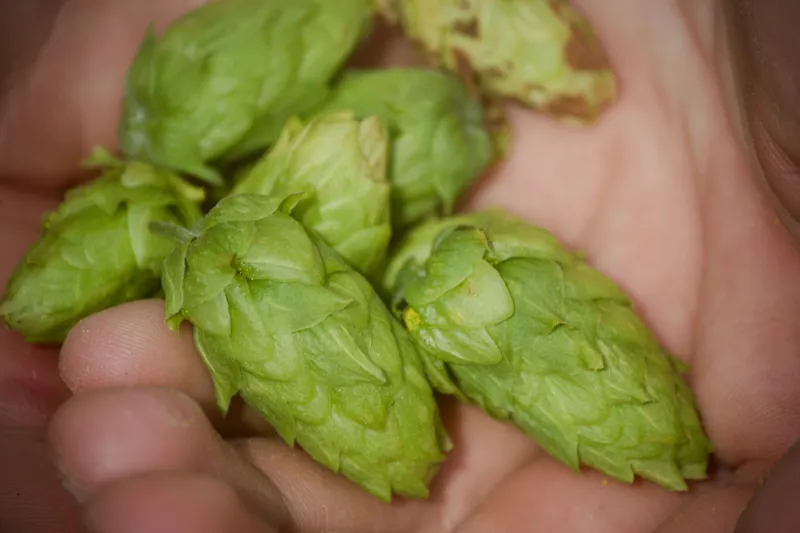
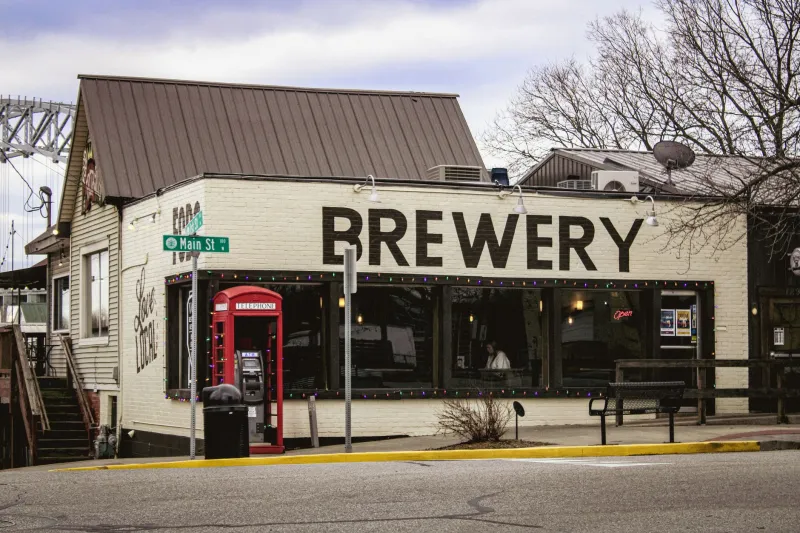
Same Table, Different Pint: How Craft Beer Is Quietly Mending the Generation Gap in Southern Families
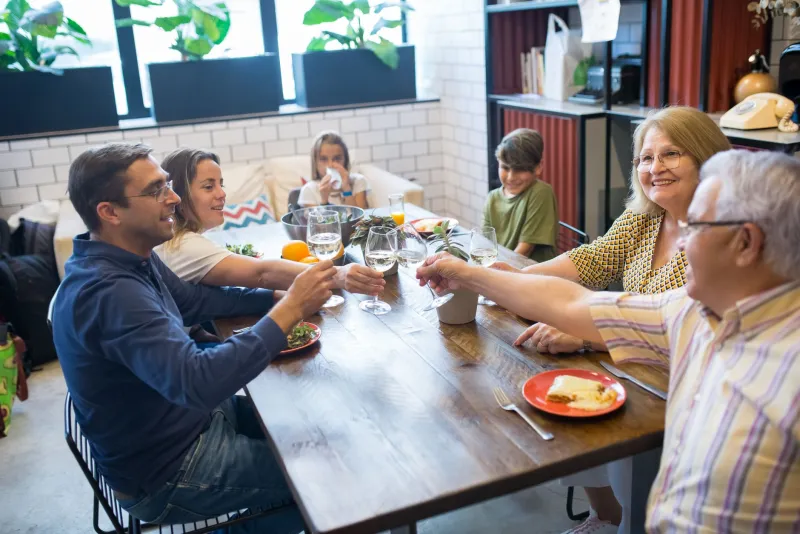
There's a particular kind of magic that happens when a sixty-three-year-old man takes a careful sip of a tart peach Berliner Weisse and says, huh, that's actually pretty good. His twenty-six-year-old daughter is across the table, watching him with the same expression she probably wore the first time she convinced him to try sushi. Surprise. Relief. A little bit of pride.
This scene plays out more often than you'd think at craft taprooms across the South. And it's worth paying attention to.
For a long time, beer in the American South followed a pretty predictable script. Older generations stuck to what they knew — the big domestic lagers their fathers drank, bought by the case, kept cold in a garage fridge. Younger drinkers, meanwhile, started exploring a whole new world of IPAs, sours, stouts aged in bourbon barrels, and styles that would've seemed like science fiction thirty years ago. The gap between those two camps felt wide. Sometimes it felt uncrossable.
But craft beer culture, slowly and without much fanfare, has been building a bridge.
What the Taproom Actually Does
Part of what makes craft breweries different from your average bar isn't just the beer — it's the atmosphere. Taprooms are designed to be comfortable and unhurried. There are flights. There are flights with descriptions. You can sit at a big communal table and nobody's rushing you out. It's a low-pressure environment that invites conversation rather than killing it.
For families navigating generational differences, that setting matters more than you might realize.
When you're handed a small four-ounce pour of something and encouraged to actually think about what you're tasting, it opens up a different kind of dialogue. Suddenly you're talking about flavor — about whether the citrus note reminds you of something, about whether the bitterness is too sharp or just right. You're sharing a sensory experience in real time. That's a surprisingly intimate thing to do with a family member you might normally only see at Thanksgiving.
Family-owned taprooms, of which there are more than a few scattered across the South, lean into this naturally. When the people pouring the beer are themselves a multi-generational operation — a father who started the brewery, a daughter who took over the recipe development, a grandmother running the kitchen — it signals something to the people walking through the door. It says: this place is for all of you.
The Beers That Build the Bridge
Not every style works equally well as a generational handshake. The brutally bitter double IPA that craft enthusiasts love can be a tough ask for someone whose entire beer history is built around smooth, cold lagers. But that's not where the conversation has to start.
Some Southern brewers have gotten smart about this. Lighter, approachable styles — cream ales, honey wheat beers, fruit-forward wheat ales — act as natural entry points for older drinkers who are curious but cautious. These aren't dumbed-down beers. They're well-made, flavorful, and genuinely enjoyable. They just don't require a craft beer vocabulary to appreciate.
From there, the exploration can go anywhere. A honey wheat leads to a discussion about local wildflower honey sourced from a farm two counties over. That conversation opens a door to talking about ingredients, about place, about the kind of sourcing decisions that older generations — many of whom grew up in closer connection to where food actually comes from — often find deeply meaningful.
Suddenly the craft beer enthusiast and the domestic lager loyalist are on the same page. They're both talking about land, and quality, and the value of knowing where something comes from. The beer is almost secondary at that point.
Stories That Travel Across the Table
There's another dimension to this that doesn't get talked about enough: storytelling.
Craft breweries are, almost by definition, story-driven businesses. Every beer has a name, a concept, a reason for existing. A stout brewed with chicory and dark roast coffee from a local roaster carries a narrative. A farmhouse ale made with heirloom grain has a history behind it. When those stories are told well — on a menu, by a knowledgeable server, by the brewer themselves if you're lucky enough to catch them on the floor — they give people something to react to and talk about.
For older family members, those stories often connect to something real. A beer brewed with local sorghum might spark a memory about a grandparent's farm. A smoked porter might remind someone of old-school backyard barbecue traditions that the younger generation never knew. Suddenly the craft beer isn't foreign territory — it's a doorway back into shared history.
And that's the thing about the South. The stories are there, layered into the land and the food and the way people have always gathered. Craft beer, at its best, is just learning to tell them again.
Not a Perfect Story, But a Real One
None of this is to suggest that every family trip to a taproom ends in some kind of cinematic reconciliation. Sometimes Grandpa still thinks the IPA tastes like he's chewing on a pine cone. Sometimes the twenty-two-year-old is on her phone the whole time. Real life is messy.
But the opportunity is there in a way it hasn't always been. Craft beer culture — with its emphasis on curiosity, on quality, on the pleasure of slowing down and actually tasting something — creates conditions where different generations can meet each other on neutral ground.
At Grav South, that idea feels close to home. Brewed deep, poured proud — those aren't just words about the beer. They're about the kind of place you make when you take the craft seriously. A place where people can pull up a chair, try something new, and maybe find out the person across the table isn't as different as they thought.
That's worth raising a glass to. Whatever's in it.