One Brewery, One Block, One Town Back From the Brink
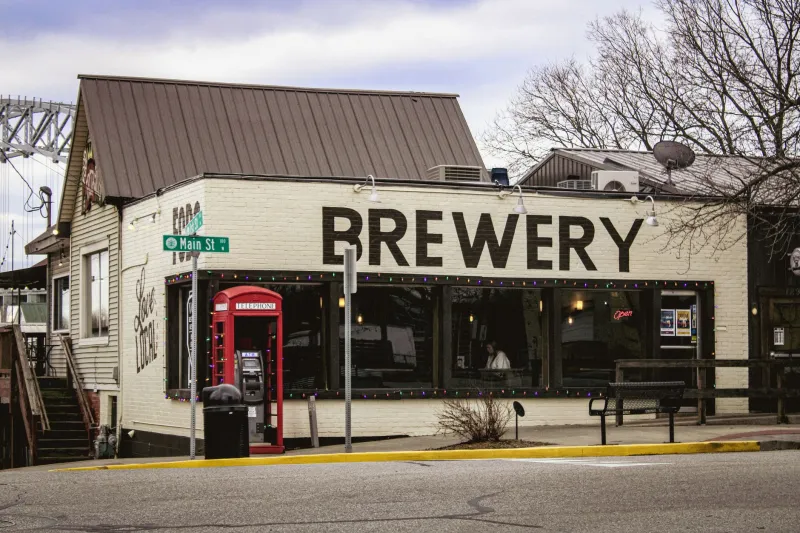
There's a certain kind of Southern town you've probably driven through without stopping. The courthouse is still standing, usually pretty handsome if you squint past the neglect. A few storefronts have paper in the windows. The diner closed in 2009. The hardware store held on until 2017. The dollar store is now the busiest thing on the block, and even that feels like a kind of defeat.
For a long time, the conventional wisdom said these places were just fading out — casualties of big-box retail, shifting manufacturing, and the slow gravitational pull of the interstate corridor. Planners drew up studies. Committees formed. Grant applications got filed and sometimes funded. And still, the sidewalks stayed empty on Saturday afternoons.
Then somebody opened a brewery.
The Taproom as Town Square
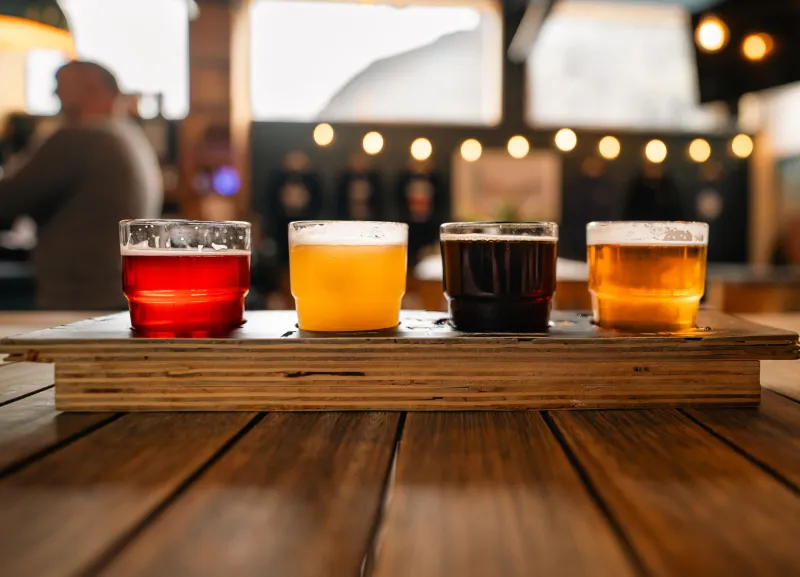
It sounds almost too simple, and in some ways it is. But the pattern keeps repeating itself across the South with enough consistency that it's worth paying serious attention to. In small cities from Opelika, Alabama to Kinston, North Carolina, craft brewery taprooms have quietly stepped into the role that Main Street's anchor tenant used to play — the place that gives people a reason to show up, stick around, and come back next weekend.
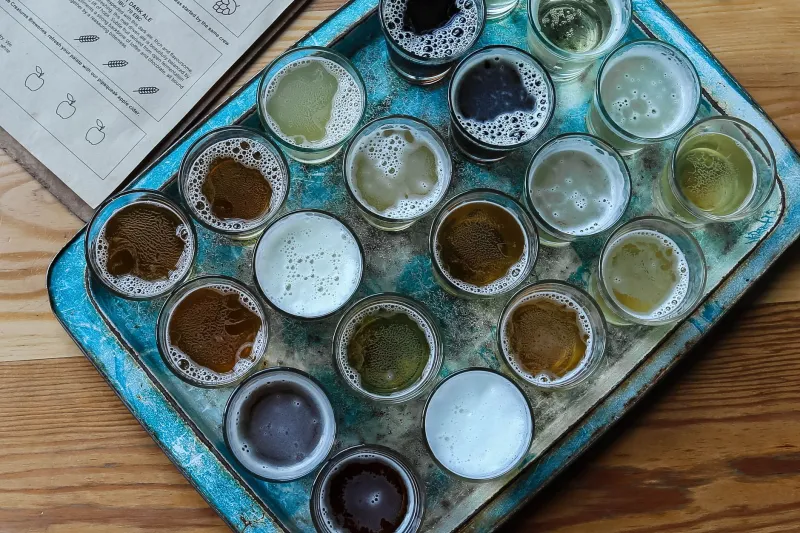
What makes a taproom different from, say, a coffee shop or a restaurant? A few things, honestly. Taprooms tend to operate during evening and weekend hours when downtowns are otherwise dead. They're designed to be social — communal tables, open floor plans, a bar where strangers actually talk to each other. They host events, trivia nights, live music, food trucks. They become, almost by accident, the de facto community living room.
And because craft breweries tend to attract a loyal, curious customer base, they also tend to pull people from a wider geographic radius than a typical retail shop. A good taproom in a small Southern town will draw day-trippers from an hour away. Those visitors park on the street, walk around, notice the old building with good bones two doors down, and sometimes — sometimes — they come back with a business plan.
Kinston's Comeback Story
Kinston, North Carolina is probably the most-cited example of this dynamic in the South, and it earns the attention. The city spent decades watching its tobacco economy unravel and its downtown empty out. Then, in the early 2010s, a cluster of food and beverage businesses — including Mother Earth Brewing — started betting on those vacant storefronts. Mother Earth didn't just open a brewery; they opened a taproom, a distillery, and a hotel, all anchored to the same revitalized block.
What followed was a slow-rolling renaissance. Restaurants opened nearby. A boutique hotel came in. Chefs who might have bypassed Kinston entirely started paying attention. The town didn't transform overnight — nothing real ever does — but the trajectory changed. People started talking about Kinston the way they used to talk about Asheville, with a kind of cautious excitement about what it might become.
The brewery didn't cause all of that by itself. But it gave the story somewhere to start.
Why Brewers Take the Risk
Talk to the people actually opening these places and you'll hear a mix of pragmatism and genuine affection. Real estate in a struggling small-town downtown is cheap. The buildings are often beautiful — old brick warehouses, former mercantile storefronts with sixteen-foot ceilings and original wood floors. For a brewery that needs serious square footage for tanks and a taproom, that combination is hard to pass up.
But it's rarely just about the square footage. A lot of these brewers grew up in these towns, or nearby. They watched the decline happen in real time. Opening a brewery in the old feed store or the shuttered hosiery mill isn't just a business decision — it's a statement about where they think their community's value actually lives.
There's also something deeply fitting about beer as the vehicle for this kind of revival. Brewing is one of the oldest community trades there is. Before refrigeration, before distribution networks, before any of the infrastructure we take for granted, every town of any size had a brewery or a tavern because people gathered around fermented beverages the way they gathered around fire. Bringing that back to a Southern Main Street isn't nostalgia exactly — it's more like restoration.
The Ripple Effect Is Real
The economic case for taproom-driven revitalization isn't just anecdotal anymore. Studies from the Brewers Association and various state economic development offices have documented the multiplier effect that craft breweries tend to generate in small communities — jobs created, adjacent businesses opened, tourism dollars captured that would otherwise flow somewhere else.
But the numbers, as useful as they are, don't fully capture what actually changes when a town gets its gathering place back. It's the older couple who starts walking downtown on Friday evenings because there's finally somewhere to walk to. It's the twenty-something who grew up in the county and assumed she'd have to leave to have a life, who now has a reason to think about staying. It's the farmer who starts selling his spent grain to the brewery, the food truck operator who parks outside on weekends, the real estate investor who drives through and decides the trajectory looks different than it did two years ago.
A taproom doesn't fix everything. It doesn't address school funding or broadband access or the structural economic pressures that hollowed these towns out in the first place. Anyone who tells you a brewery is going to solve those problems is selling something other than beer.
But it can change the feeling of a place. And feeling matters more than people usually admit when it comes to whether communities survive or quietly give up.
Brewed Deep, Poured Into Something Real
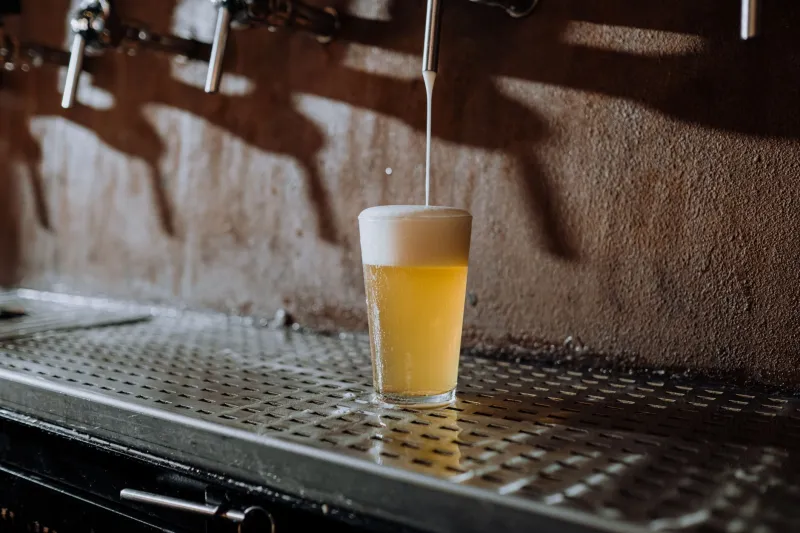
At Grav South, we talk a lot about what goes into the glass — the grains, the water, the yeast, the patience. But we also think about what the glass means when it's sitting on a table in a town that wasn't sure it had a future six years ago. That pint represents a bet somebody made. A risk taken on a building, a block, a community.
The South has always been good at coming back from hard times. It's practically a regional specialty. And right now, some of the most compelling comebacks are happening in places you might not have heard of yet — small towns where somebody installed a tap line in an old building and waited to see who showed up.
Turns out, a lot of people showed up.
If your town has a taproom that helped turn things around, we want to hear about it. Tag us, tell us the story. These places deserve to be known.