From the Archive: The Old Southern Beer Style Quietly Showing Up on Tap Lists Again
Somewhere between Prohibition and the mass-market lager era, the South lost something it hadn't properly named. Not a recipe, exactly — more like a practice. A way of brewing that was tied to the land, the climate, and ingredients that didn't come from a catalog. For most of the twentieth century, that practice sat dormant, buried under decades of industrial beer and the assumption that the South wasn't really a brewing culture to begin with.
A few brewers are proving that assumption wrong by going backward.
What We're Actually Talking About
The beer style in question doesn't have a clean, marketable name — which is part of why it got forgotten. Historians and brewing researchers who've dug through pre-Prohibition records from Southern states have found evidence of a fermented grain beverage that combined corn, sorghum, and sometimes molasses in proportions that varied by what was available and what the season demanded. It wasn't quite a corn lager. It wasn't quite a sorghum ale. It was something in between, brewed at low gravity for everyday consumption, with a sourness that came from open fermentation and whatever wild yeast was floating through the air that week.
Call it a Southern farmhouse ale if you need a category. Call it a heritage grain beer. The brewers reviving it tend to just call it "the old way."
Think of it as the South's answer to what Belgian farmhouses were doing with their local grains and ambient yeast — practical, unpolished, and deeply tied to a specific place. The difference is that Belgian farmhouse ales got written down, got exported, and got celebrated. The Southern version got erased.
The Brewers Doing the Digging
The revival isn't happening all at once, and it's not organized. It's more like a few independent threads that researchers and brewers are pulling at the same time, arriving at similar conclusions from different directions.
Some of it is coming from brewers who got interested in Southern food history and started asking questions about what people were actually drinking alongside the dishes they were eating. If you know that communities across the rural South were fermenting everything from persimmons to sweet potatoes to watermelon rinds, it raises the obvious question: what were they doing with their grain?
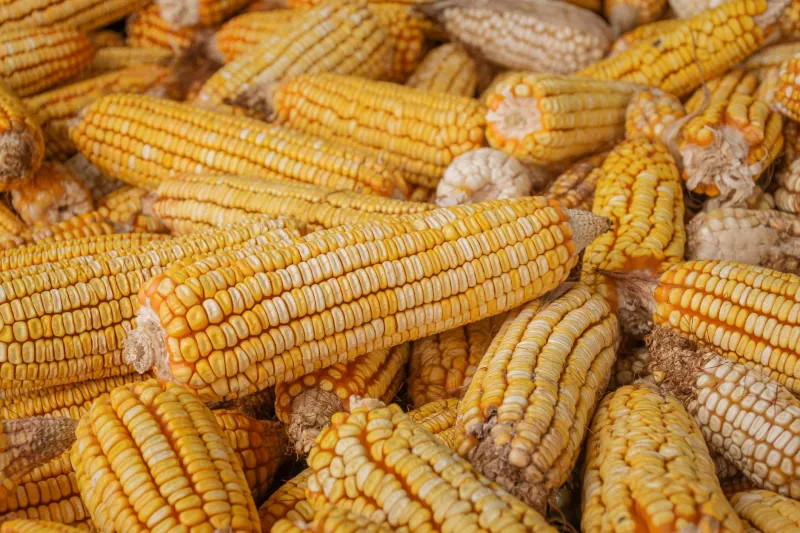
Other brewers found their way here through the heirloom grain movement. As access to heritage corn varieties — Jimmy Red, Bloody Butcher, Carolina Gourdseed — expanded, some brewers started experimenting with those grains in the brewhouse rather than just the kitchen. What they found was that these older corn varieties ferment differently than modern commodity corn. They carry more complexity, more natural sugars, and a flavor depth that changes the character of the finished beer in ways that are hard to engineer artificially.
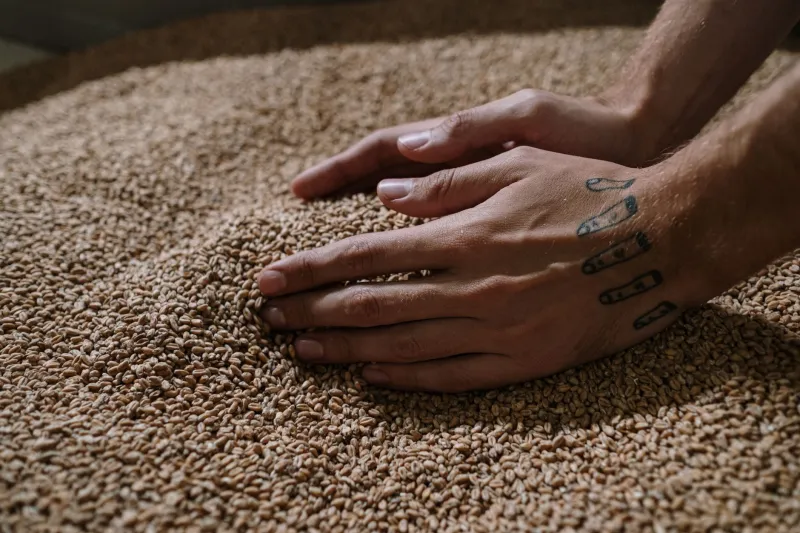
Sorghum was the other key piece. Sorghum syrup has been a Southern pantry staple for generations, but sorghum as a brewing grain — whole sorghum, malted or unmalted — is less commonly understood. Brewers who've worked with it describe a flavor that's earthy, slightly sweet, and unlike anything else in the malt spectrum. Combined with heritage corn and an open or mixed fermentation approach, the result is a beer that tastes genuinely old. Not in a stale way. In a way that feels like it came from somewhere real.
Why Right Now
The timing of this revival isn't accidental. Several forces are converging to make this the right moment for a forgotten style to find an audience.
First, the craft beer drinker has gotten more adventurous. The segment of the market that once needed a double IPA to feel like they were drinking something interesting has matured. There's genuine appetite now for beers that tell a story, that connect to history, that taste like something you couldn't have gotten from a shelf in 2012. A Southern heritage grain ale with wild fermentation character fits that appetite perfectly.
Second, the ingredient supply chain has caught up. Five years ago, getting your hands on enough Jimmy Red corn or heritage sorghum to brew at any meaningful scale was a real logistical challenge. Smaller farms focused on heritage grain production have expanded, and relationships between those farmers and craft breweries have deepened to the point where consistent supply is more achievable.
Third — and this is the part that's harder to quantify — there's a cultural moment happening in the South around reclaiming what was nearly lost. In food, in music, in craft traditions, there's an energy around recovery and reinterpretation that's showing up in the brewing community as well. Brewers are asking what the South was before it was told what it was, and they're finding answers worth pouring into a glass.
What It Actually Tastes Like
For anyone who hasn't encountered one of these heritage grain releases yet, the flavor profile is genuinely surprising. The corn character is present but not the sweetness you might associate with a cream ale or an adjunct lager. It's more rustic than that — almost grainy in a way that feels substantive rather than thin. The sorghum adds a molasses-adjacent depth without the heaviness. And the wild or mixed fermentation brings a gentle sourness and a funk that makes the beer feel alive in a way that's hard to describe but immediately recognizable.
These are low-to-moderate alcohol beers, typically landing between 3.5% and 5.5% ABV. They're not trying to knock you over. They're trying to sit with you for a while. That's a very Southern thing, if you think about it.
What Comes Next
The brewers working in this space are careful about overclaiming. Nobody is saying they've perfectly reconstructed what someone in rural Mississippi was drinking in 1880. The historical record isn't detailed enough for that, and the ingredients available now aren't identical to what was available then. What they're doing is more like an informed conversation with the past — taking what's known, filling in the gaps with careful experimentation, and producing something that honors the spirit of what came before without pretending to be a museum piece.
The taproom response has been quietly enthusiastic. These beers don't always have the flashy names or the eye-catching can art that drives social media engagement. But the people who try them tend to come back. And they tend to ask questions — about the grain, about the history, about where this came from.
That's exactly the reaction these brewers were hoping for. The South has a brewing history worth knowing. It's just been waiting for someone to pour it.