Dug Up and Poured Out: The Lost Beer Recipes Southern Brewers Are Bringing Back From the Dead

Photo: antique brewing equipment historical Southern distillery old recipe books, via img.wprost.pl
Long before Prohibition wiped the slate clean, the American South had a brewing culture all its own — molasses ales, persimmon beers, corn-based lagers that owed nothing to European tradition. A new generation of Southern brewers is digging through archives, old newspapers, and plantation records to resurrect what was lost, and what they're finding is changing how craft beer tells its own story.
This isn't nostalgia. It's archaeology with a mash paddle.
What Got Erased
American beer history, as most people learn it, runs something like this: German immigrants brought lager brewing to the Midwest in the 1800s, industrial brewing consolidated everything into a handful of national brands, and craft beer rescued us from that monoculture starting in the 1970s and 80s. It's a tidy story. It's also incomplete.
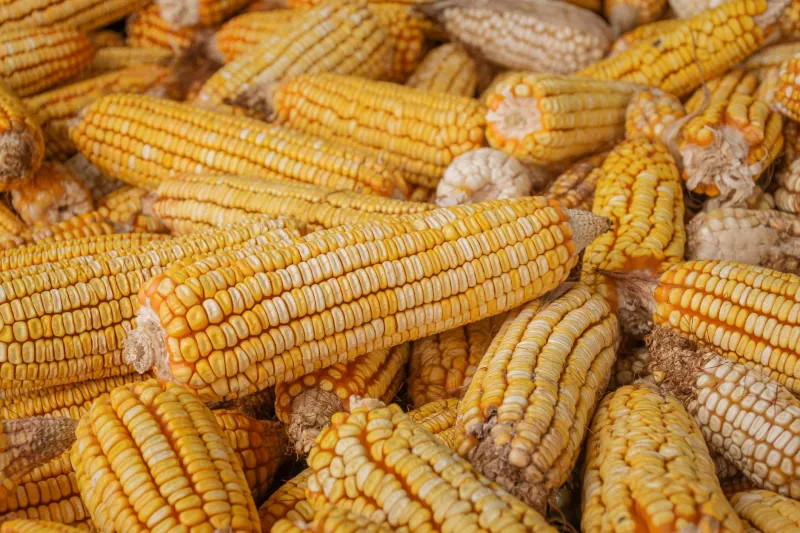
The colonial-era South had a remarkably diverse drinking culture. Settlers and enslaved people alike brewed with whatever fermentable ingredients were locally available — persimmons gathered in fall, sweet potatoes pulled from the garden, sorghum syrup, wild honey, dried corn. These weren't inferior substitutes for proper European ingredients. They were practical, place-specific solutions that produced genuinely distinct beverages.
Tavern records from eighteenth-century Virginia mention 'small beer' brewed from corn and molasses as a daily staple. Plantation ledgers document persimmon beer production. Newspapers from the antebellum South carry advertisements for regional ales that would be completely unrecognizable to a modern drinker raised on pale lagers.
Prohibition didn't just shut down production. It severed the chain of knowledge. When breweries reopened after repeal, they rebuilt around industrial efficiency and European styles. The idiosyncratic, regionally specific stuff mostly disappeared — not because it was bad, but because there was no infrastructure left to support it.
The Research Side of the Mash Tun
Recovering these traditions requires more than enthusiasm. It requires serious historical legwork, and some Southern brewers are putting in the hours.
That means spending time in university archives and state historical societies, cross-referencing plantation records and agricultural journals, tracking down references in colonial cookbooks and traveler diaries. The descriptions that survive are often frustratingly vague — 'a quart of molasses to a bushel of corn' doesn't tell you much about fermentation temperature or how long the thing was aged. Brewers doing this work have to make educated guesses, run experiments, and accept that what ends up in the fermenter is an interpretation rather than a perfect recreation.
That interpretive gap is actually interesting. It forces brewers to make decisions — to bring their own understanding of fermentation science, their own palate, their own regional ingredients — into conversation with a historical document. The result is something genuinely new that is simultaneously genuinely old. A beer that couldn't have existed before now, but wouldn't exist without then.
Persimmons, Sorghum, and the Pantry as Archive
The ingredients themselves carry history. Persimmons, native to the Eastern United States, were a documented brewing ingredient for centuries before the craft beer movement discovered them. Sorghum was widely cultivated across the antebellum South and used in everything from syrup production to animal feed — and, quietly, in fermented beverages. Scuppernong grapes, the native muscadine variety that grows wild across the Southeast, show up in historical accounts of Southern wine and beer production going back to the 1500s.
When a brewer today incorporates these ingredients, they're doing something that a commercial yeast lab or a hop supplier can't replicate for them. They're reaching into the actual material history of their region and pulling something forward. That's a different kind of craft than following a style guide.
Some brewers are also revisiting pre-hop bittering agents — plants like yarrow, spruce tips, and sweet gale that were used to balance malt sweetness before hops became the universal standard. These ingredients produce flavors that are genuinely alien to the modern beer palate, which is part of their appeal. They taste like something outside the current vocabulary.
Why It Matters Beyond the Taproom
There's a business logic here that's worth acknowledging alongside the historical and cultural arguments. The craft beer market is crowded. Every major style has been done and redone. Standing out requires either doing something technically exceptional within established categories or doing something that genuinely doesn't fit the existing map.
Historical brewing offers a third path: legitimacy through depth. A beer backed by actual archival research, brewed with regionally specific ingredients that connect to a documented past, carries a story that a new double IPA simply can't match. For a certain kind of drinker — and that demographic is growing — the story is part of what they're paying for.
But the best argument for this work isn't commercial. It's that these beers tell the truth about where they come from. The South's food culture has always been defined by making something extraordinary from what's at hand. Cornbread. Barbecue. Boiled peanuts. Putting that same spirit into a fermentation vessel and drinking the result is one of the more honest things a Southern brewer can do.
The Frontier Is Behind Us
Craft beer's next exciting chapter might not be about what's coming. It might be about what was here before and got buried. The brewers doing this historical excavation work are some of the most interesting people in the industry right now — not because they're chasing trends, but because they're actively refusing to.
At Grav South, we think the most radical thing you can do in a crowded market is dig deeper instead of looking sideways. These brewers are doing exactly that. The past, it turns out, is wide open.