The Shop Around the Corner: How Independent Bottle Shops Are Writing the South's Craft Beer Story
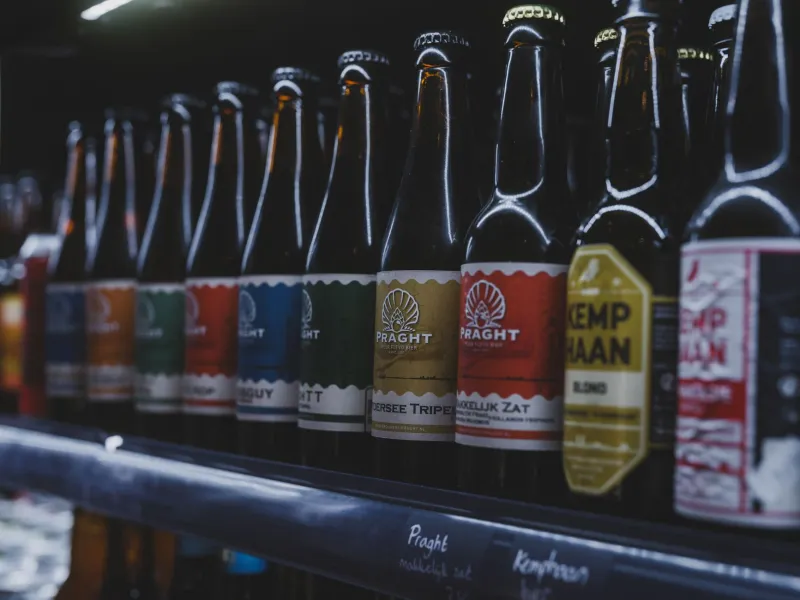
Walk into the right bottle shop on a Saturday afternoon and you'll find something that doesn't fit neatly into any retail category. There might be a tasting happening at a folding table near the coolers. Someone's asking the person behind the counter about the difference between a Flanders red and a Rodenbach, and getting a fifteen-minute answer that covers Belgian brewing history, microflora, and a specific food pairing recommendation. A regular is in the corner reading the back label on a bottle she's already bought three times, like she might find something new in it this time.
This is not a liquor store. This is something else entirely.
More Than a Place to Buy Beer
The independent bottle shop occupies a strange and vital position in the Southern craft beer ecosystem. It sits downstream from the brewery and upstream from the drinker, and in that space it exercises a kind of quiet editorial authority that most people outside the industry don't fully appreciate. The beers a shop chooses to carry — and just as importantly, the ones it declines — shape the regional conversation about what's worth drinking. A placement on the shelves of a respected independent retailer can do more for a small brewery's credibility than a dozen social media posts.
What makes Southern bottle shops particularly interesting is how deeply they've embedded themselves in their local food and beverage cultures. In cities like Nashville, Charleston, Birmingham, and New Orleans, the best independent retailers aren't operating in isolation — they're part of the same network of relationships that connects farmers markets, independent restaurants, and local roasters. The shop owner who stocks a new farmhouse ale from a small Georgia brewery often knows the brewer personally, knows the grain source, and can tell the story to every customer who picks up a bottle. That kind of provenance isn't just good marketing. It's how trust gets built.
The Curator's Eye
Spend time talking to the owners and buyers at well-regarded Southern bottle shops and a consistent philosophy emerges: they think of themselves as editors, not just merchants. Every shelf is a considered argument about what's worth your attention and your money.
That curation process is more labor-intensive than it looks. It means tasting constantly — samples from sales reps, bottles from road trips, cans picked up at brewery taprooms on vacation. It means tracking the regional scene closely enough to know when a small operation is hitting its stride versus when a once-reliable brewery is slipping. It means making calls that occasionally frustrate customers who want a beer the shop has deliberately chosen not to carry, for reasons the buyer is usually happy to explain at length.
The best shops have developed what you might call a house voice — a coherent point of view that runs through their selection. One shop might lean hard into the regional and local, treating every shelf slot as a vote for Southern brewing. Another might specialize in high-gravity and barrel-aged releases, becoming the destination for collectors and serious enthusiasts. A third might build its identity around accessibility and education, prioritizing approachable beers with clear tasting notes and a staff trained to walk curious newcomers through the basics without condescension.
These aren't competing approaches. They're different answers to the same question: what does this community actually need?
Building the Educated Drinker
If there's one thing independent bottle shops do that no other part of the craft beer ecosystem does as well, it's education. Not the formal, structured kind — nobody's handing out syllabi — but the constant, informal, conversational kind that happens when knowledgeable people talk to curious ones across a counter.
Staff recommendations are the obvious mechanism, but the best shops build education into the environment itself. Thoughtful shelf talkers that go beyond basic descriptions. Tasting events that pair beers with context — the history of a style, the story of a brewery, the specific choices a brewer made that resulted in what's in the glass. Some shops run structured classes; others keep it looser, relying on the natural enthusiasm of staff who genuinely love what they're selling.
The downstream effect on craft beer culture is real and measurable. Drinkers who've been educated by a good bottle shop ask better questions at taprooms. They're more willing to try unfamiliar styles. They develop preferences that go beyond brand recognition, which ultimately benefits smaller and newer breweries trying to break through. An educated customer base is the rising tide that lifts every boat in the regional craft beer scene.
The Relationship With Breweries
The dynamic between independent retailers and the breweries they carry is more complex than a simple buyer-seller transaction. At its best, it's a genuine partnership built on mutual investment in each other's success.
Retailers who've been in the game long enough have watched breweries grow from garage operations to regional names, and they take a certain pride in having been early believers. A bottle shop that stocked a brewery's first canned release — back when the cans had slightly crooked labels and the distribution radius was about forty miles — has a relationship with that brewery that goes beyond commerce. They were part of the story.
That history creates accountability in both directions. Breweries want to stay on shelves they've earned. Retailers want to keep carrying the beers they've championed. When a brewery's quality slips, the conversation about pulling their product from the shelf is uncomfortable precisely because the relationship is real. And when a new release exceeds expectations, the shop's enthusiasm in selling it is genuine.
There's also a practical role retailers play in providing breweries with market intelligence that's hard to get any other way. What are customers asking for that nobody's making? Which styles are moving and which are sitting? What price points are people hesitant about? A good retail partner is a constant, low-cost focus group.
Community Happens Here
Maybe the most underappreciated thing about independent bottle shops is how consistently they become genuine community anchors. Not in a vague, marketing-language way — in the specific, observable sense that people form real connections in and around these spaces.
Regular customers become regulars in the fullest sense: they know the staff, they know each other, they trade recommendations and debate preferences and occasionally argue about whether a particular double IPA is worth the sixteen-dollar price tag. (It usually isn't, but the argument is fun.) Shops that host events — release parties, tap takeovers, food pairings, trivia nights built around beer knowledge — create recurring occasions for those connections to deepen.
In smaller Southern cities especially, the local bottle shop sometimes functions as the de facto headquarters for the craft beer community — the place where you find out what's new, what's good, and what's happening next weekend. That role isn't incidental. The best shop owners understand it and lean into it deliberately, thinking of their physical space as infrastructure for a community that exists beyond the transaction.
The Fight to Stay Independent
None of this comes easy. Independent bottle shops face the same headwinds hitting small retail everywhere: rising rents, consolidation in the distribution tier, competition from big-box retailers who can undercut on price, and the ongoing challenge of getting customers to think of a specialty shop as worth the premium rather than just the convenient option.
The ones that survive and thrive do so by being irreplaceable — by offering something that a grocery store beer aisle or an online retailer genuinely cannot replicate. That something is expertise, relationships, community, and a coherent point of view. It's the thing you get when you walk in and ask "what should I try this weekend?" and the person behind the counter actually knows you, knows what you've liked before, and has an answer that's going to be right.
Down here, that's worth walking past the chain store to find.